THE EVOLVE EDTECH BLOG
Welcome to The Evolve EdTech Blog.
Here you will find a range of blog entries from the team at Evolve EdTech exploring a range of tips, tricks and tools that you can use to help you incorporate educational technology into your classroom.
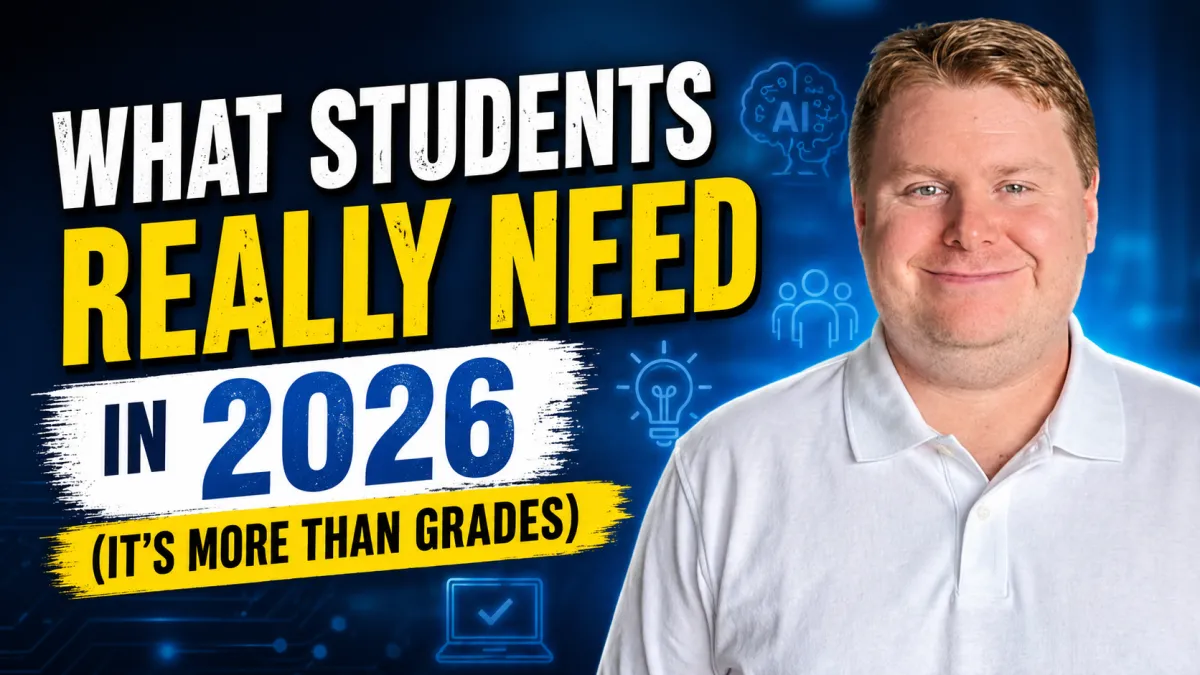
Future-Ready Skills in 2026: What Students Really Need Beyond Content Knowledge
When people talk about preparing students for the future, it often sounds inspiring… but also a little vague.
What does it actually mean to be future-ready in 2026?
Is it coding? Artificial intelligence? Robotics? Using the latest app?
While technology certainly plays a role, the real work of education goes much deeper than devices and digital tools. Future-ready students are not simply tech-savvy. They are adaptable, thoughtful, collaborative and capable of learning in a world that continues to change at speed.
At Evolve EdTech, we believe the classrooms of today must help shape the humans of tomorrow. That means focusing on the skills that matter most.
1. Lifelong Learning Is the New Superpower
The days of learning everything you need at school and then “being done” are over.
In 2026 and beyond, industries will continue to evolve, jobs will shift, and new opportunities will emerge. Students need to understand that learning is not something that ends with graduation.
They need to become learners for life.
This means helping students:
Develop curiosity
Ask meaningful questions
Seek feedback
Reflect on progress
Embrace mistakes as learning opportunities
Adapt when new information emerges
The most successful people are often those willing to learn, unlearn and relearn.
Our classrooms should normalise growth, not perfection.
2. Critical Thinking Matters More Than Ever
We live in a world overflowing with information. Unfortunately, not all of it is accurate, useful or trustworthy.
Students need the ability to think critically, analyse information and challenge assumptions.
That might include:
Evaluating online sources
Identifying bias
Comparing viewpoints
Asking “Who benefits from this message?”
Solving problems creatively
Reflecting before reacting
Just because something has always been done a certain way does not mean it is the best way.
Future-ready learners need confidence to question respectfully and think independently.
3. Collaboration Is a Career Skill
Very few careers involve working entirely alone.
Whether students enter trades, business, healthcare, education or entrepreneurship, they will need to work with others, communicate clearly and contribute positively.
Yet collaboration is not automatic. It needs to be taught, modelled and practised.
Educators can build collaboration through:
Group problem-solving tasks
Peer feedback routines
Shared digital workspaces
Team projects with clear roles
Discussion protocols
Opportunities for student voice
When structured well, collaboration builds both skills and confidence.
4. Responsible Technology Use Is Essential
Knowing how to scroll, click and post does not equal digital capability.
Students need to know how to use technology ethically, effectively and professionally.
This includes understanding:
Digital footprints
Online safety
Respectful communication
Productivity tools
Copyright and attribution
AI limitations and risks
Accuracy checking AI outputs
Artificial intelligence can be powerful, but it still requires human judgement.
Technology should enhance thinking, not replace it.
5. Educators Are Still the Difference-Makers
With all the talk of AI, automation and innovation, it is easy to forget something important:
Tools do not teach people. Teachers do.
Educators help students develop character, resilience, empathy, judgement and confidence. We create learning environments where future-ready skills can grow every day.
We are not just delivering content.
We are helping shape capable, thoughtful and adaptable young people who can thrive in a changing world.
Final Thought
The future does not need students who can memorise the most facts.
It needs students who can learn continuously, think critically, collaborate meaningfully and use technology wisely.
That is the real work of education in 2026.
And it has never mattered more.
Ready to Build a Future-Ready Classroom?
At Evolve EdTech, we help educators confidently integrate technology and practical strategies that prepare students for tomorrow. Explore workshops, resources and professional learning designed for real classrooms today.

LEARN
Looking for FREE on-demand professional learning all year round?
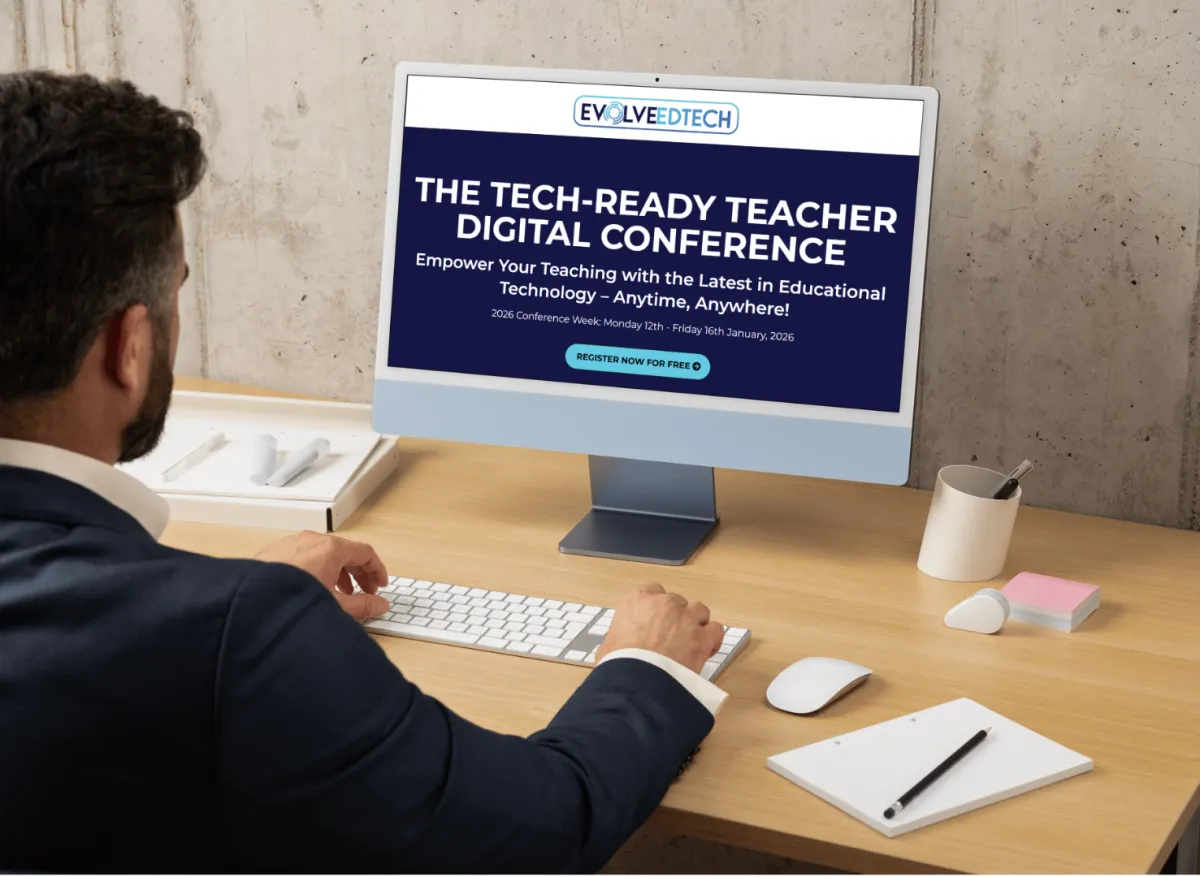
Join the team from Evolve EdTech and access on-demand sessions from The Tech-Ready Teacher Digital Conference. Each January, the conference is updated with brand new sessions to help you become a master of edtech in the classroom.

CONNECT WITH US


ABOUT EVOLVE EDTECH
CONTACT EVOLVE EDTECH
TERMS & CONDITIONS
At Evolve EdTech we acknowledge the Traditional Owners of country throughout Australia and recognise their continuing connection to land, waters and culture. We pay our respects to their Elders past, present and emerging. Always was, always will be Aboriginal Land.
Copyright 2026. Evolve EdTech. All Rights Reserved.